
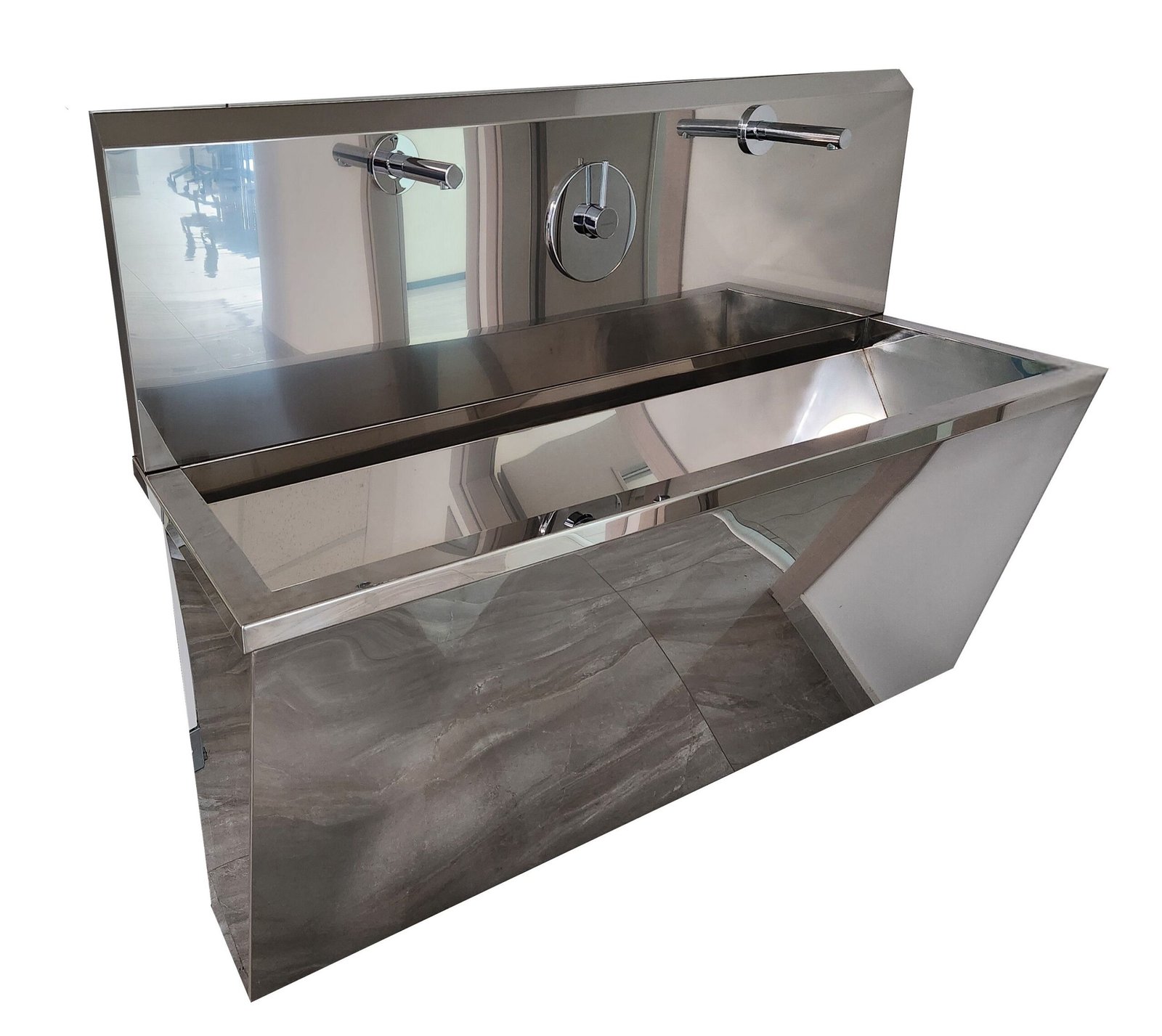
Description
Essential Role of Surgical Scrub Sinks in Maintaining Sterility
Introduction:
In any healthcare facility, maintaining a sterile environment is of utmost importance, especially in surgical settings where infection control is critical. One crucial element in this process is the surgical scrub sink. Designed specifically for preoperative hand hygiene, surgical scrub sinks play a vital role in reducing the risk of surgical site infections (SSIs) and ensuring the safety of both patients and medical professionals. In this article, we will explore the significance of surgical scrub sinks and highlight their essential features.
Promoting Hand Hygiene:
Hand hygiene is the cornerstone of infection control, particularly in surgical procedures. Surgical scrub sinks are specifically designed to facilitate effective handwashing techniques that meet stringent hygiene standards. These sinks typically feature hands-free controls, allowing surgeons and other operating room staff to wash their hands thoroughly without touching any surfaces, minimizing the risk of contamination.
Optimal Design for Surgical Workflow:
Surgical scrub sinks are designed to optimize the workflow in the operating room. They are strategically placed in convenient locations to ensure easy access for healthcare professionals. The sinks are typically equipped with multiple stations, allowing several individuals to perform hand hygiene simultaneously, streamlining the preoperative preparation process and minimizing waiting times.
Dedicated to Infection Control:
Maintaining a sterile environment is crucial in preventing SSIs. Surgical scrub sinks are equipped with advanced features that prioritize infection control. For instance, many sinks include integrated antimicrobial coatings or materials that inhibit the growth of bacteria, reducing the risk of cross-contamination. Additionally, some models offer features like automated soap dispensers, touchless faucets, and timed water flow to ensure thorough cleaning while minimizing the risk of potential contamination.
Compliance with Regulatory Standards:
Healthcare facilities must adhere to rigorous regulatory standards and guidelines to ensure patient safety. Surgical scrub sinks are designed in accordance with these requirements, ensuring compliance with infection control protocols and helping medical institutions meet accreditation standards. Installing certified surgical scrub sinks demonstrates a commitment to patient care and quality improvement.
Ergonomic and User-Friendly Design:
Operating room personnel spend long hours performing delicate surgical procedures. Surgical scrub sinks are designed with ergonomics in mind to enhance user comfort and reduce fatigue. These sinks often feature adjustable heights, convenient access to water and soap, and specially designed basins that allow easy cleaning and rinsing of hands and forearms.
Integration with Technology:
As technology advances, surgical scrub sinks have also evolved to incorporate innovative features. Some models are equipped with sensors that monitor handwashing duration and provide feedback to ensure compliance with recommended washing time. Additionally, sinks with built-in data capture capabilities can assist in tracking hand hygiene compliance rates and identify areas for improvement.
Conclusion:
Surgical scrub sinks play a vital role in maintaining a sterile environment and reducing the risk of SSIs in healthcare facilities. With their emphasis on infection control, user-friendly design, and compliance with regulatory standards, these sinks are essential components in the operating room. By investing in state-of-the-art surgical scrub sinks, medical institutions can prioritize patient safety, enhance infection control measures, and demonstrate their commitment to providing the highest standards of care.